
Saffron is a spice, many would argue it is “The Spice”. 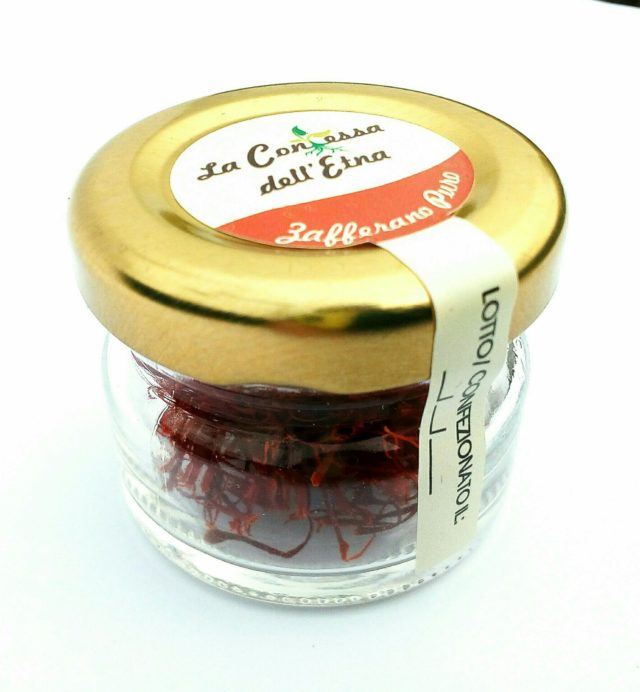 It is a precious spice, perhaps the most coveted and valuable for millennia. Due to its high price, saffron has often fell victim to counterfeiting. As early as the first century A.D. the Latin writer Pliny complained that “Nothing is adulterated as much as saffron”. Precisely for this reason it is subject to cutting and forgery. Saffron when in powder form is easier to fabricate. Various similar looking powders are used to disguise the spice, for example turmeric, safflower, colchicum. This is because once pulverized it is no longer possible to visually recognize the spice.
Only those who have the opportunity to open a fresh jar of pure stigma saffron are able to perceive and identify the distinct and profound aromas of this sacred spice. Basic Features of Saffron: Pure saffron should be pistils, of a beautiful deep intense red color without any hues of black which would mean it had been overexposed to heat or oxidized by time. You shouldn’t see any of the white part that is naturally found at the base of the pistil which has no organoleptic properties and should be removed during the husking process. Saffron should not be dried higher than 45 ° C or it will lose most of its desirable evaporative substances.
 Many of the world’s large, low quality saffron manufacturers dry their stigmas over 70 ° C to produce it more quickly and sell it at a cheaper price. In cooking it is always best to add it as the final ingredient so that when it is immersed in the dish the flavors are properly integrated.
It is important to keep saffron out of direct light and heat exposure therefore saffron should be stored in cool, dry place in airtight containers. Mt. Etna is one of the top producers of saffron in the world thanks to the unique soils and climate conditions created by the active volcano on Sicily surrounded by the Mediterranean Sea. In addition to the organoleptic qualities, the pure saffron pistils have also other qualities that make the difference from the powdered one.
For example regarding the quantity: with a gram of stigmas is possible to prepare dishes in an amount ten times higher than the pulverized, or moreover the powdered saffron that is packed in plastic will lose most of the properties and aromas. Pistils ensure that all properties are intact and perfectly preserved inside the stigma and they visually guaranteed that the product is quality and fresh.
Dose and method
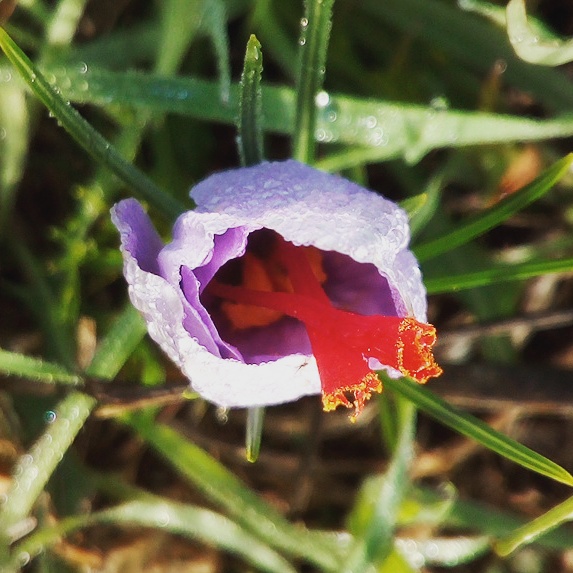
Saffron made with the right method and attention it have inside all the features and concentration of substances. This will show us that is not only a matter of quality, but also the amount of dishes we can flavor. 1 gram of pure saffron is enough to flavor 50 portions. 1 portion is made by 7 stigmas of saffron.
Common uses
Infusion:
Powder the threads:

 English
 Italian